

Table of Contents
- The Real Cost Behind Curated Artistic Apparel
- Design and Original Artwork: The Foundation of Price
- Why Are Custom T-Shirts So Expensive: Labor and Production
- Materials and Fabric Quality That Last
- How to Evaluate Clothing Quality and Justify the Price
- Limited Editions, Curation, and Perceived Value
- Artist Royalties and Licensing: What You're Really Paying For
- Cost-Per-Wear: Why Premium Apparel Makes Financial Sense
- Frequently Asked Questions
Last Updated: October 13, 2026
The Real Cost Behind Curated Artistic Apparel
When you pick up a piece of curated artistic apparel, the price tag often surprises, and understanding what curated artistic apparel costs requires looking beyond the sticker shock. It's higher than mass-produced clothing at a big-box retailer, but that sticker shock makes sense once you understand what goes into creating something truly unique. At MobiusLDG, we've seen how original design, skilled production, and intentional curation drive the final cost.
The real question isn't why curated artistic apparel costs more. It's why mass-produced clothing costs so little. Understanding that difference changes how you evaluate price.
Design and Original Artwork: The Foundation of Price
Original artwork is the single largest line item in a curated piece, and the one cost that does not shrink with volume. How that cost is structured explains most of the price gap between a curated tee and a blank one.
How artists actually get paid
There are three common compensation models, and each one lands differently on the price tag:
- Flat-fee buyout. The brand pays the artist once for the artwork and owns the reproduction rights. A common range for a single apparel-ready illustration is a few hundred to a few thousand dollars, depending on the artist's following and the scope. The brand amortizes that fee across the run, so a 100-piece run carries a much heavier per-unit art cost than a 2,000-piece run.
- Licensing with a royalty. The artist keeps ownership and earns a percentage of each sale, often in the mid-single to low-double digits. On a $68 shirt, a 10% royalty is $6.80 per unit that goes to the artist before the brand recovers any production cost.
- Direct collaboration. The artist designs specifically for the garment, adjusting line weight for screen mesh, simplifying detail so it survives embroidery, choosing colorways that work on the fabric. This is the most expensive model because it consumes the artist's time twice: once to create, once to adapt.
A stock or AI-generated graphic costs the brand nothing per unit and carries no ongoing obligation. When a curated piece is priced at two or three times a blank, a meaningful share of that premium is artist compensation, not markup.
Sampling: the cost you never see on the shelf
Before a design reaches production, it goes through sampling. A typical path looks like this:
- Digital mockup, fast and cheap, but it hides how ink sits on fabric.
- Strike-off or proof print, one or two physical units to check color accuracy, registration, and hand-feel. Each round costs money and time.
- Fit and wash test, the sample is worn and laundered to confirm the print survives and the garment holds shape.
Most designs need two to four sample rounds before approval. Every rejected round is sunk cost that never becomes sellable inventory, recovered from the units that do sell. A design that took four samples carries roughly four times the sampling burden of one that worked on the first try.
Curation is labor, not a label
Curation means a person with taste and context decided which designs belong together and which were cut. That work includes reviewing submissions, rejecting most of them, sequencing a collection so the pieces read as a coherent statement, and commissioning work that fills gaps. It is editorial labor, and it is why a curated drop feels intentional rather than assembled. A brand that prints whatever sells fastest is merchandising, not curating, and the price reflects that difference.
U.S. Copyright Office guidance on licensing and reproduction rights
Why Are Custom T-Shirts So Expensive: Labor and Production
The production process for curated artistic apparel differs fundamentally from mass manufacturing. When you understand the labor involved, the cost becomes logical.
Artisan Labor and Skilled Production
Skilled workers cost more than unskilled labor.
Artisan labor also means smaller batches. A skilled printer might work on 50 pieces per day instead of 5,000, so overhead spreads across fewer items.
The printing and finishing processes matter too. Hand screen printing requires precision, skilled embroidery produces cleaner, more durable results than cheap alternatives, and hand-dyeing creates color variations machines can't replicate.
Workers who care about their craft also produce better results. They catch errors. They adjust for fabric variations. They take pride in the final product.
Small-Batch Clothing Production and Economies of Scale
Mass production works because of volume. A factory making 1 million identical t-shirts spreads setup costs across a million units. The per-unit cost drops dramatically.
Small-batch clothing production can't do that.
This is where small production runs and economies of scale collide. The smaller the batch, the higher the per-unit cost.
Some brands produce each design only once. A truly limited edition means no restocks, no second chances.
Materials and Fabric Quality That Last
Cheap fabric falls apart. Quality fabric lasts years. That difference in material sourcing and fabric quality directly affects price.
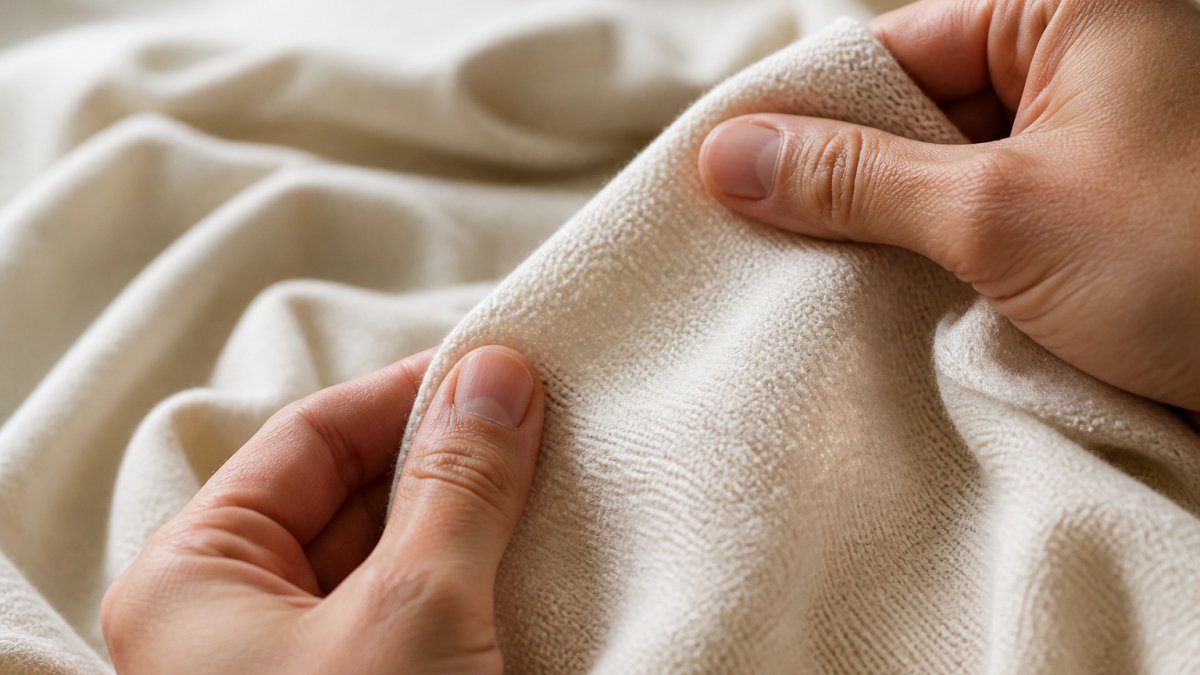
Premium fabrics cost more to source.
The weight and weave of fabric matter too. A thin, flimsy t-shirt uses less material. A substantial, durable shirt uses more fabric and better construction.
Durability extends the life of a garment. A t-shirt that lasts five years instead of one costs less per wear, even at a higher upfront price.
Fabric sourcing also reflects ethical production. Materials sourced fairly, with attention to worker conditions and environmental impact, cost more.
How to Evaluate Clothing Quality and Justify the Price
Not every high price reflects genuine quality. Learning to evaluate apparel helps you decide whether the cost is justified.
Look at the seams first. Quality seams are straight, even, and reinforced.
Check the fabric weight. Hold the shirt up to light. Thin, translucent fabric suggests low quality.
Read the fabric content.
Examine the printing or embroidery. Printing should feel smooth and flexible, not crack or peel with wear.
Ask about production methods. Was the shirt screen-printed, digitally printed, or embroidered?
Consider the brand's reputation.
Limited Editions, Curation, and Perceived Value
Scarcity is not a marketing trick layered on top of cost, it is a direct cause of it. The smaller the run, the more each unit has to carry, and the more the piece tends to hold its value afterward.
Why a smaller run costs more per unit
Setup is fixed. Screens must be burned, ink mixed and matched, the press calibrated, and the first several prints pulled and discarded until registration is right. That setup takes roughly the same time whether you print 50 shirts or 5,000.
This is the collision between small-batch production and economies of scale, and the honest reason limited runs cost more. A brand printing 50 pieces isn't charging more out of greed, it is recovering the same fixed costs from a hundredth of the volume.
What 'limited' should actually mean
A limited edition is only meaningful if the number is real and the brand honors it. Look for:
- A stated run size. 'Limited' with no number is a mood, not a fact. A run of 100 or 250 is a commitment.
- No restock language. If the brand reserves the right to reprint, the scarcity is soft.
- Numbered or marked pieces. A tag, a numbered label, or a certificate turns a claim into a record.
When those three hold, the piece has genuine exclusivity. You won't run into five other people wearing it, and that rarity is a real attribute of the object, not a manufactured feeling.
How curation and scarcity interact with resale
Secondary-market value for apparel is driven by the same forces as any collectible: limited supply, durable demand, and recognizable provenance. Pieces from an early, small run of a brand that later grows can trade above original retail on resale platforms.
A practical way to think about it: a design available forever feels disposable, and disposable things resell for nothing. A design made once, by a named artist, in a numbered run, carries a story and a constraint the resale market can price.
Curation as the multiplier
Curation amplifies scarcity because it gives the collection a coherent identity. When every piece in a drop reflects the same aesthetic and standard, buyers trust the next drop will hold that line. That consistency turns a one-off limited shirt into a collectible from a brand people follow, and the price reflects both the constraint on supply and the editorial judgment that made the piece worth wanting.
Artist Royalties and Licensing: What You're Really Paying For
When curated artistic apparel features work by independent artists, those artists deserve compensation. Artist royalties and licensing fees are built into the final price.
An artist licensing work to a clothing brand typically receives 5-15% of sales depending on the agreement.
Some brands collaborate directly with artists. The artist designs the piece specifically for the apparel. That custom work costs more than licensing existing art.
This model supports working artists. Without these revenue streams, many artists couldn't sustain their practice.
The licensing model also ensures quality.
Cost-Per-Wear: Why Premium Apparel Makes Financial Sense
A $30 shirt worn 20 times costs $1.50 per wear. A $60 shirt worn 200 times costs $0.30 per wear. Calculated by cost-per-wear, premium apparel often wins.
Durability matters in this equation. A cheap shirt that falls apart after 20 wears is expensive per wear.
Quality also affects how often you'll actually wear something.
Personal style expression factors in too. Curated artistic apparel helps you express your identity, which has value beyond material cost.
Building a curated wardrobe of pieces you genuinely love creates a more functional closet: fewer items, worn more often.
Frequently Asked Questions
Why does artistic apparel cost more than mass-produced clothing?
Curated artistic apparel costs more because it combines original design work, higher-quality materials, smaller production runs, and often includes artist royalties or licensing fees. Mass-produced clothing spreads costs across thousands of units, while artistic pieces rely on limited quantities, skilled labor, and premium fabric sourcing. You're paying for uniqueness, durability, and the creative vision behind each piece, not just the garment itself.
What factors affect the price of a graphic T-shirt?
Graphic T-shirt pricing depends on several factors: the quality and weight of the base fabric, the printing method used (screen printing, direct-to-garment, embroidery), the complexity of the artwork, production volume, and whether the design includes licensed or original artwork. Small-batch clothing production has higher per-unit costs because setup fees and labor time don't get divided across mass quantities. Premium brands also factor in ethical manufacturing practices and fair wages for production workers.
How can I tell whether an independent clothing brand is worth the price?
Evaluate the fabric weight and fiber content first, quality apparel typically uses premium blends. Check the printing or embroidery for even coverage and durability by looking at seams and finishing details. Research the brand's production practices and whether they use ethical manufacturing. Read customer reviews specifically about longevity and how the piece holds up after washing. Compare cost-per-wear over time: a $50 shirt you wear 100 times costs 50 cents per wear, while a $20 shirt worn 10 times costs $2 per wear. Consider the original artwork and design uniqueness as part of the value proposition.
Are custom-printed shirts worth the extra cost?
Custom-printed shirts justify higher prices when they feature quality printing techniques that resist cracking and fading, premium base garments with better durability, and original or licensed artwork. The extra cost reflects setup labor, smaller production runs, and the skill required for consistent quality. If you plan to wear the shirt regularly for years, the per-wear cost becomes reasonable. However, verify the printing method and fabric quality before purchasing, not all higher-priced custom shirts offer proportionally better durability or design execution.
When you buy curated artistic apparel, you're investing in original design, skilled production, quality materials, and artist support. The price reflects those real costs. At MobiusLDG, we believe that understanding where your money goes helps you make choices aligned with your values. Our curated collection brings together unique pieces designed to express your personal style. Explore our featured selection and discover apparel that speaks to you.