

Table of Contents
- Why Shoppers Are Looking for a Galartsy Alternative
- What Makes Ethical Art-Inspired Clothing Brands Different
- How to Spot Fast Fashion Scams Before You Buy
- Sustainable Alternatives to Trendy Online Boutiques
- Sizing Inclusivity and Fit in Creative Clothing
- Fabric Longevity: What to Check Before You Commit
- Building a Creative Wardrobe Without Fast Fashion
- Frequently Asked Questions
Last Updated: September 20, 2026
Why Shoppers Are Looking for a Galartsy Alternative
The hunt for a dependable galartsy alternative for creative clothing has become a quiet obsession for shoppers who love wearable art but hate the gamble. This guide from MobiusLDG breaks down what changed, what to check before you buy, and how to build a wardrobe of artistic prints that actually survives the wash cycle.
What Changed in the Art-Inspired Apparel Market
The category changed because the audience changed. Buyers who once chased whatever trend hit their feed now want fashion transparency, material sourcing details, and proof that a design came from a real artist rather than a stock image farm.
What Makes Ethical Art-Inspired Clothing Brands Different
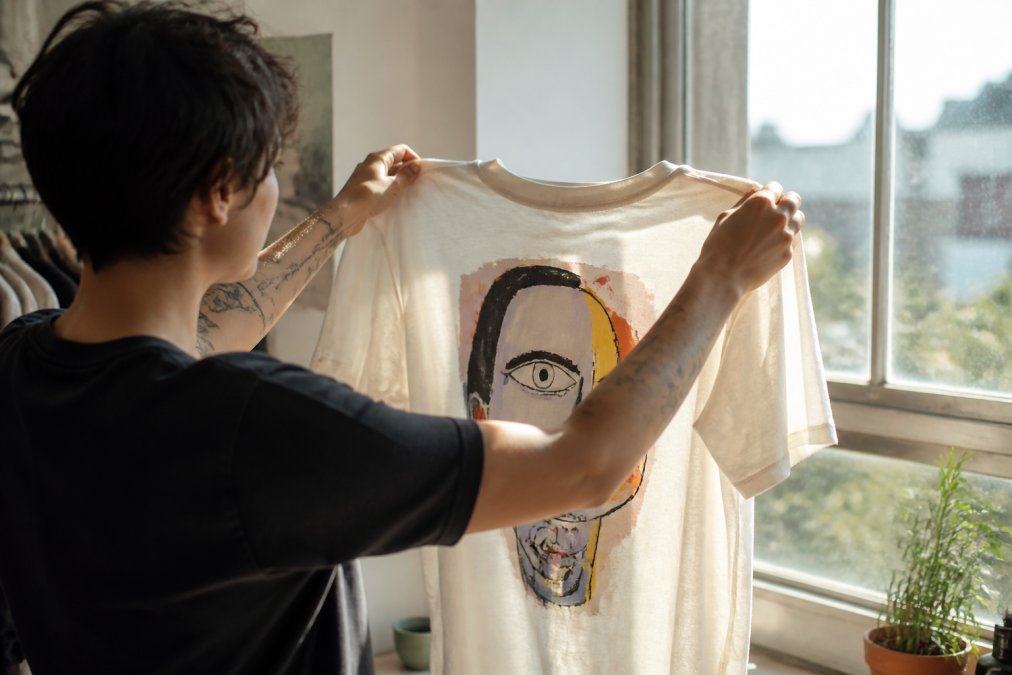
Ethical art-inspired clothing brands treat the garment as a finished piece of creative expression, not a disposable trend item. They publish where their fabric comes from, how the print is applied, and who made the design.
Material Sourcing and Fabric Composition
Fabric composition decides how a print ages more than almost anything else. A dense cotton or cotton-blend knit holds ink and shape; a thin synthetic blend pills, stretches, and fades fast.
Small-Batch Production and Design Authenticity
Small-batch production is the strongest signal of design authenticity. When a brand makes 50 pieces instead of 50,000, the artwork usually comes from a named artist rather than a licensed clip-art library.
How to Spot Fast Fashion Scams Before You Buy
You spot fast fashion scams by reading the boring parts of a listing: the fiber content, the return window, and the shipping origin. Scam-adjacent boutiques rely on buyers who only look at the photo.
Red Flags in Product Listings and Return Policies
Watch for these before you enter a card number:
- No fiber content listed anywhere on the page
- Return window shorter than 14 days, or returns excluded entirely
- Product photos reused across multiple unrelated stores
- No named artist, studio, or design credit
- Reviews that all appear within the same short window
Any single flag is a caution. Two or more together usually means walk away.
Sustainable Alternatives to Trendy Online Boutiques
Sustainable alternatives to trendy online boutiques compete on supply chain ethics and shipping transparency rather than on flash sales. They tend to be smaller, slower, and far more willing to answer a direct question. The trade-off is real: you give up two-day shipping and easy in-store returns in exchange for garments that were actually designed by a person and produced in limited runs.
| What to Check | Weak Signal | Strong Signal |
|---|---|---|
| Fabric content | Not listed | Fiber percentages shown |
| Return window | None or final sale | 14+ days, clear terms |
| Design credit | Unnamed or stock | Named artist or studio |
| Production | Unstated volume | Small-batch, stated |
| Shipping | Vague or hidden cost | Origin and timeline given |
| Print method | Unstated | Screen print, DTG, or discharge named |
| Care instructions | Absent | Wash temp and drying guidance given |
How to Vet Shipping and Return Logistics for Independent Labels
This is the part most shoppers skip, and it is where small-brand purchases go wrong. Independent labels often ship from a single studio, so timelines run longer than a big-box retailer. That is normal. What matters is whether the brand tells you four things before you order: the ship-from origin, the production lead time (made-to-order pieces can add one to three weeks), the carrier and tracking method, and the return window with who pays return postage.
A practical vetting sequence:
- Read the shipping page, not just the product page. If shipping terms are only in a banner or pop-up, treat that as a soft flag.
- Confirm whether items are in-stock or made-to-order. Made-to-order is common for small-batch art apparel and is not a scam signal by itself, but it must be disclosed.
- Check the return policy for exclusions. Many independent labels accept returns on unworn items but exclude made-to-order or personalized prints, which is reasonable if stated up front.
- Look for a real business address or studio location. A contact page with only a web form and no location is a caution, not a dealbreaker.
- Search the brand name alongside terms like "review" and "return" to surface forum threads. Community forums are where shipping delays and refund disputes show up first.
Why Small-Batch Production Changes the Sustainability Math
Small-batch production is not just a marketing phrase. When a label produces in runs of dozens rather than thousands, it typically avoids the overproduction that leads to deadstock and liquidation markdowns, the same overstock that fuels fast-fashion clearance cycles. The environmental benefit comes from making closer to demand, not from a single fabric choice.
Matching the Alternative to What You Actually Need
Not every shopper needs the same kind of alternative. If your priority is durability, weight your decision toward dense cotton and named print methods. If your priority is ethics, weight it toward disclosed fiber sourcing and small-batch runs. If your priority is fit, weight it toward brands that publish flat-lay garment measurements and offer a workable return window.
Sizing Inclusivity and Fit in Creative Clothing
Sizing inclusivity is where artistic fashion most often falls short, and it is the gap most roundups ignore. A beautiful print means nothing if the size range stops at a medium or the cut assumes one body type. When you evaluate a creative clothing brand, the size range itself is a quality signal, a label that invests in extended sizing is usually investing in pattern-making, not just in ad creative.
What a Real Size Range Looks Like
A genuinely inclusive range typically runs from an XS or 2XS up through at least a 3XL, and the brand publishes a chart that maps those sizes to actual body measurements. The specific numbers matter less than the pattern: if the top of the range is a standard large, the brand is not serving a broad audience regardless of how it markets itself.
Watch for these range signals:
- A published size chart with both body measurements and garment measurements
- Consistent grading, the difference between sizes should be roughly even, not a sudden jump at the top end
- Extended sizes shown on real models, not only on a size chart
- Restock notices for sold-out extended sizes, which indicate real demand rather than a token offering
Reading a Size Chart the Right Way
Look for a detailed size chart with actual garment measurements, not just body measurements. Flat-lay measurements across the chest and length are the most reliable guide for an oversized or boxy artistic cut, because they tell you how the finished garment actually measures rather than how a body is supposed to measure.
Fit Adjustments for Different Cuts and Fabrics
Fit advice depends on the fabric as much as the cut. If you're between sizes, size up on heavyweight cotton and stay true to size on stretch blends. Heavyweight cotton has less give and will not stretch to accommodate a snug fit, while a cotton-poly or spandex blend will move with you and can be worn closer to the body.
Other adjustments worth knowing:
- Oversized and boxy cuts are designed to drape, so choose your normal size unless you want an exaggerated fit.
- Unisex sizing typically runs wider in the shoulders and longer in the body than women's-cut equivalents, check the garment measurements rather than assuming a size conversion.
- Pre-shrunk cotton will hold its size after washing; untreated cotton may shrink, so account for that if you're near the top of a size.
- For gifts, choose a style with a relaxed fit and confirm the return window first, since fit is the most common reason a gift gets returned.
Fabric Longevity: What to Check Before You Commit
A graphic tee is only as durable as its two weakest points: the knit and the ink. Check the fiber blend and the print method before you check the design.
Care habits matter just as much. Wash inside out in cold water, skip the dryer, and never iron directly over the print. Those three habits alone can add years to a favorite piece.
Building a Creative Wardrobe Without Fast Fashion
A creative wardrobe gets easier when you treat each piece as a wardrobe staple rather than a one-off purchase. Start with a neutral base, then layer in artistic prints and color palettes that speak to you.
- Pick two or three anchor pieces you'll wear weekly
- Add one statement print per season, not per week
- Choose prints that work across at least three outfits
- Favor style versatility over single-occasion novelty
- Mix maximalist wardrobe accents with minimalist basics
Frequently Asked Questions
Are Galartsy legit?
Galartsy operates as an online marketplace for art-inspired apparel, but legitimacy varies by seller. Check for a physical business address, verified customer reviews, and clear return policies before purchasing. If a site lists no contact information, uses stock photos exclusively, or offers prices far below market rate, treat those as warning signs. Legitimate platforms publish shipping timelines and respond to customer inquiries promptly.
How can I verify if an online clothing boutique is legitimate?
Start by checking for a business registration number or physical address on the site. Search the brand name alongside 'reviews' or 'scam' to see what past customers report. Look at return and refund policies; legitimate boutiques publish these clearly. Reverse-image search product photos to confirm they are not stolen from other designers. Finally, test customer service with a pre-purchase question and note how quickly and thoroughly they respond.
What should I look for when shopping for artistic clothing online?
Prioritize fabric composition over marketing language. Look for specific fiber blends (for example, 100% combed cotton or cotton-polyester mixes) rather than vague terms like 'premium material.' Check whether the brand names its printing method, such as screen printing or DTG, because that affects how long the design lasts. Review sizing charts with actual measurements, not just S/M/L labels. Brands that share supply chain details and publish real customer photos tend to be more trustworthy.
Are there ethical alternatives to fast-fashion art-inspired clothing?
Yes. Independent labels that produce in small batches, disclose their material sourcing, and pay fair wages offer a genuine alternative. Look for brands using organic or recycled fabrics, water-based inks, and transparent supply chains. These brands often cost more upfront, but the garments last longer and hold their print quality through repeated washing. Shopping from independent designers also means your money supports creative work rather than mass production.
The real challenge with artistic fashion isn't finding something unique, it's finding a brand that stands behind the quality of what it ships. MobiusLDG offers a curated collection of unique T-shirts, clothing, art, and accessories, with designs artfully cast from dreams and made for people who want to express personal style. Explore the featured selection and find a piece that earns its place in your rotation. Subscribe to MobiusLDG's emails to see new designs as they arrive.